Travel Trends

Wanderlust Writes: Culinary Travel Is the New Luxury Currency

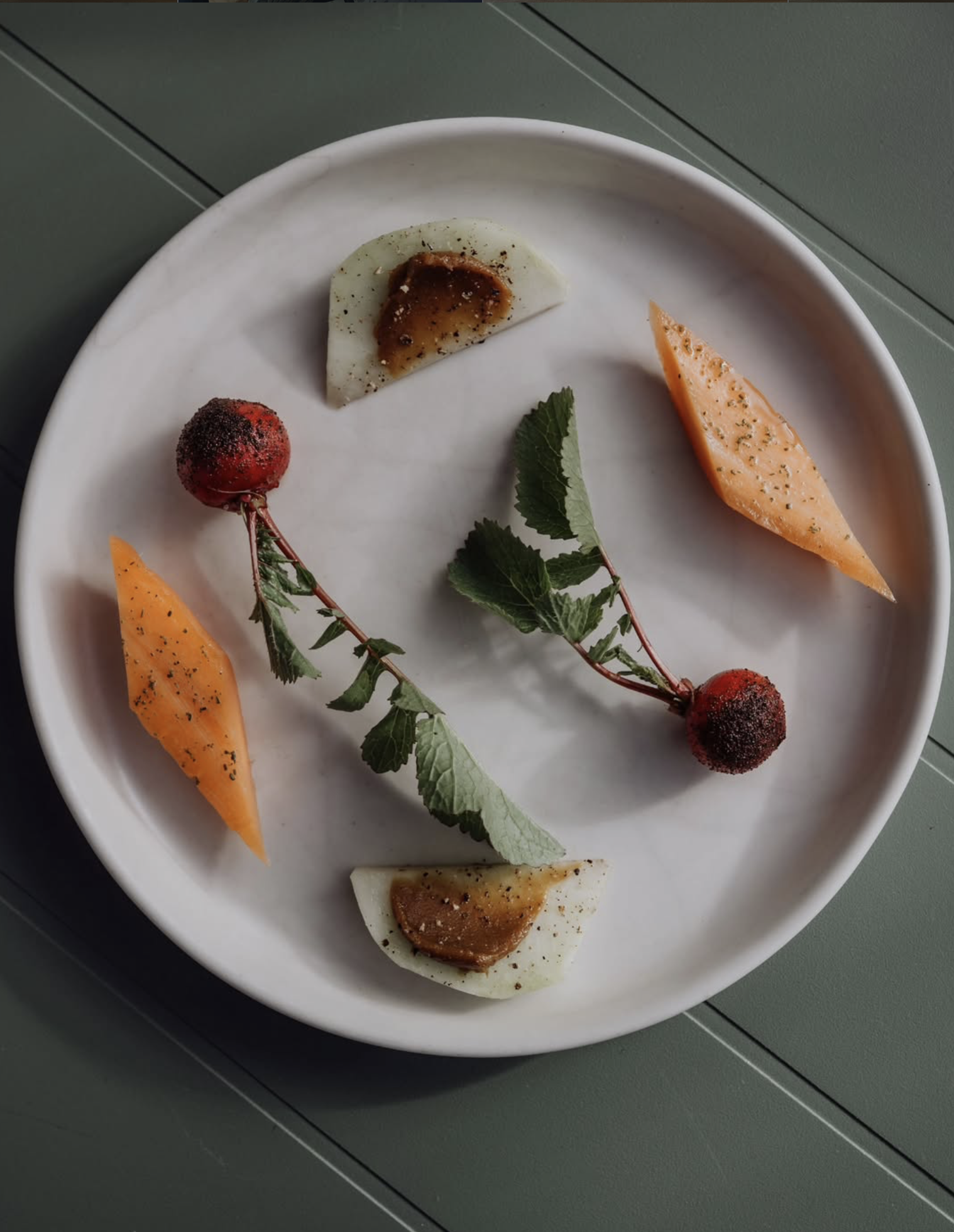
Cherry Belle radish + Jerada carrot with kunzea + Kohlrabi with delicata miso served in their glasshouse garden. It’s a beautiful way to begin your restaurant experience at Agrarian Kitchen. Image courtesy of @love_annacritchley.

At Wanderlust Union, we are continuing to see a decisive shift in global travel behaviour. Travelling for food is not new — gastronomic pilgrimages have existed for decades, from Lyon to Tokyo to San Sebastián. What has changed is its status. Culinary travel is no longer niche. It is now a defining element of modern luxury travel.

In 2026, luxury culinary travel is redefining global tourism. Reservations are shaping routes. High-value travellers are choosing destinations based on access to chefs, regional produce and immersive dining experiences. A seat at Central in Lima. An omakase counter in Tokyo. A fire-driven tasting menu at Asador Etxebarri in Spain. These are not simply meals; they are strategic reasons to travel.

Luxury has shifted from visible opulence to informed experience. Today’s affluent traveller is seeking narrative, provenance and precision. They want to understand landscape through flavour. They want chefs who interpret culture through cuisine. They want depth over display. In this environment, destination dining has become a powerful driver of luxury tourism and a central pillar of contemporary travel trends.

Australia is firmly part of this global movement. In Sydney, Saint Peter, led by Josh Niland, continues to attract international gastronomic travellers, with Niland’s scale-to-tail philosophy reframing sustainable luxury on a global stage. Melbourne remains a powerhouse of destination dining, with Attica’s Ben Shewry long regarded as one of the world’s most influential chefs. Across the country, chef-led restaurants are elevating Australia’s produce-driven identity and strengthening its position in luxury food travel Australia.

In Western Australia, Fervor by Paul ‘Yoda’ Iskov connects diners directly to Indigenous ingredients and landscape through immersive, fire-led experiences that merge storytelling with gastronomy. In Tasmania, The Agrarian Kitchen in New Norfolk, led by Rodney Dunn, has helped cement the island as a serious culinary travel destination. Rooted in seasonality, self-sufficiency and hyper-local sourcing, it reflects a broader shift in gastronomic tourism: luxury defined by integrity, not excess.

The insight is clear. Food has become a form of cultural capital. It signals knowledge, access and discernment. Culinary experiences now influence airline routes, regional tourism growth and international media narratives.

For luxury brands and tourism operators, this evolution matters. Through strategic luxury travel PR, food and beverage storytelling and destination positioning, we are continuing to see how culinary experiences shape brand relevance in an increasingly competitive global market.

To understand a destination today is to taste it — its soil, its seasons, its people. Culinary travel may not be new, but its influence within the luxury travel landscape has never been more powerful.

As a leading luxury travel PR agency, Wanderlust Union continues to track how food-led travel is shaping the global tourism economy.
Wanderlust Writes: The Why-Cation

In a world where our calendars fill faster than our suitcases, the rise of the “why-cation” signals a meaningful shift in the way we travel. More than a holiday, a why-cation is an intentional pause, a journey taken with purpose rather than escape at its core, and it invites travellers to consider not just where they want to go, but why they feel called to go there.

At Wanderlust Union, we’ve watched luxury travellers increasingly choose destinations that align with their deeper motivations, seeking clarity, recalibration, creativity or connection - and the most memorable journeys begin when the purpose is defined before the plane even leaves the ground.

The art of the why-cation lives in this thoughtful alignment between inner yearning and outer experience, whether that means retreating to a remote sanctuary to rest after a demanding season, exploring a cultural destination that reignites curiosity, or spending uninterrupted time by the ocean to spark new ideas. Luxury, in this context, becomes less about opulence and more about spaciousness: the luxury of time, the luxury of stillness, the luxury of being somewhere that feels exactly right for the moment you’re in.

This purpose-led approach also transforms the way travellers tell their stories. Journeys anchored in “why” naturally yield richer narratives, ones shaped by introspection, emotional discovery and personal evolution, rather than a checklist of sights. A why-cation creates the kind of storytelling that resonates: authentic, textured, and deeply human, capturing not just what was seen, but how the experience changed the traveller in subtle, lasting ways.

As travellers re-evaluate the role of travel in their wellbeing, the why-cation stands as a gentle rebellion against rushed itineraries and mindless movement, replacing them with experiences designed to nourish the self with intention. The result is a journey that lingers long after the return flight touches down, because it was never simply about leaving, but about understanding yourself more deeply in the process.

Wanderlust Writes: The Remote Work Revolution and the New Age of Travel

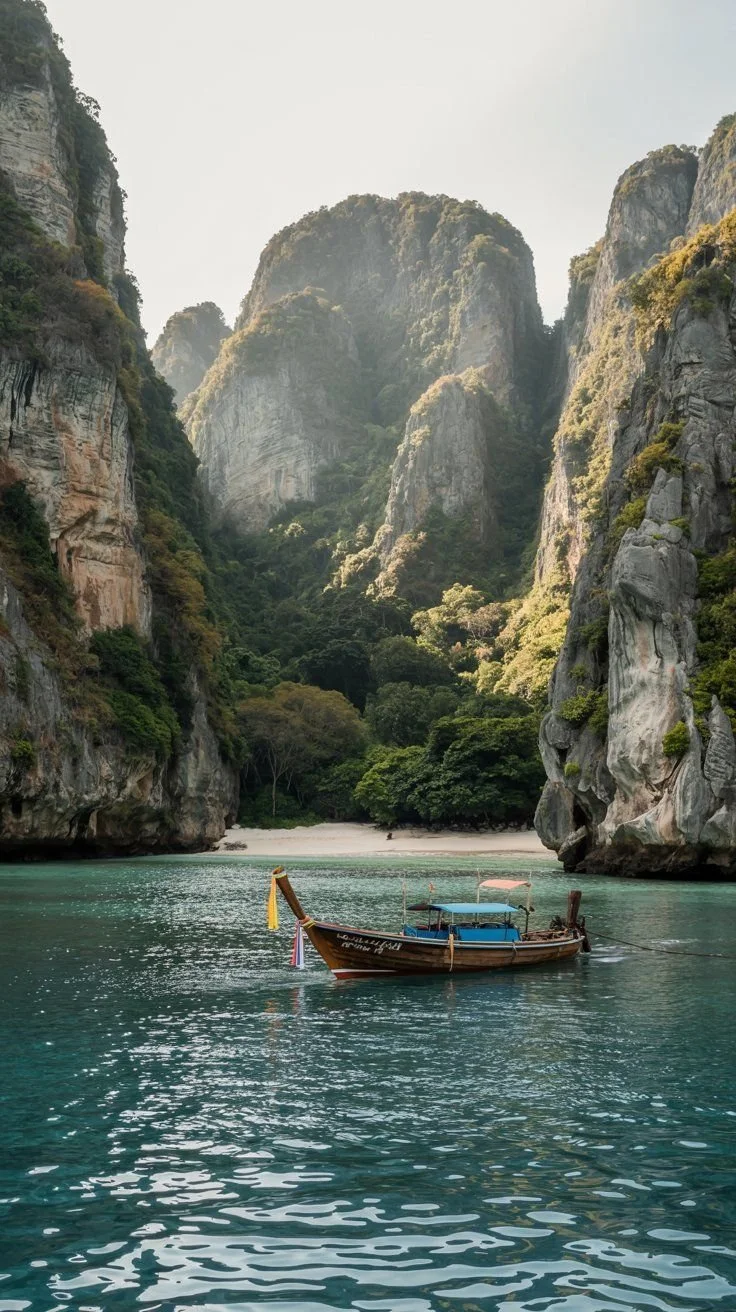
boat sitting in secluded thailand bay

Over the past five years, the world of work, and by extension, the world of travel, has undergone a quiet revolution. What began as a temporary shift during a global pause has evolved into a permanent cultural transformation: the rise of remote work and the era of the digital nomad.

Today, the boundaries between business and leisure, home and away, have all but dissolved. The once-novel concept of “work from anywhere” has become both a lifestyle and a global movement, reshaping how, when, and why we travel.

At Wanderlust Union, we’ve witnessed first-hand how this evolution has redefined not only destinations but also the very essence of travel itself.

The digital nomad is no longer the exception, they are becoming the new traveller archetype. They seek destinations that offer both connectivity and creativity; places that inspire productivity in the morning and exploration by afternoon.

From Sydney to Santorini, Tulum to Tokyo, we’re seeing an increasing appetite for longer stays, deeper cultural connections, and elevated experiences that allow travellers to blend work with wanderlust. Hotels, resorts, and villas have adapted, gone are the days of uninspired business centres tucked away in hotel corners; in their place are co-working lounges, community-driven experiences, and tech-enabled spaces that make remote work not just possible, but aspirational.

For the modern traveller, “escape” no longer means leaving work behind, it means finding balance within it. Which is an opportunity for brands to tell new stories, ones that celebrate not just place, but purpose.

As communicators, we see this as a defining moment for travel PR and brand storytelling. The narrative has moved beyond the traditional “holiday”, it’s now about transformation, connection, and lifestyle integration.

Travel brands that thrive in this era will be those that understand their guests not only as travellers, but as global citizens, curious, conscious, and connected. The stories that resonate most will be those that champion authentic experience, community, and meaning.

The remote work revolution isn’t simply changing where people work, it’s changing how people live. For the travel industry, it represents an extraordinary opportunity to reimagine the role of travel in modern life.

At Wanderlust Union, we’re inspired by this new age of mobility, one defined by a shared desire to explore the world in more intentional ways.

Because in the end, the ability to work anywhere is really the freedom to belong everywhere.