Experiential dining

Wanderlust Writes: Why Experiential Dining Is Defining Modern Hospitality

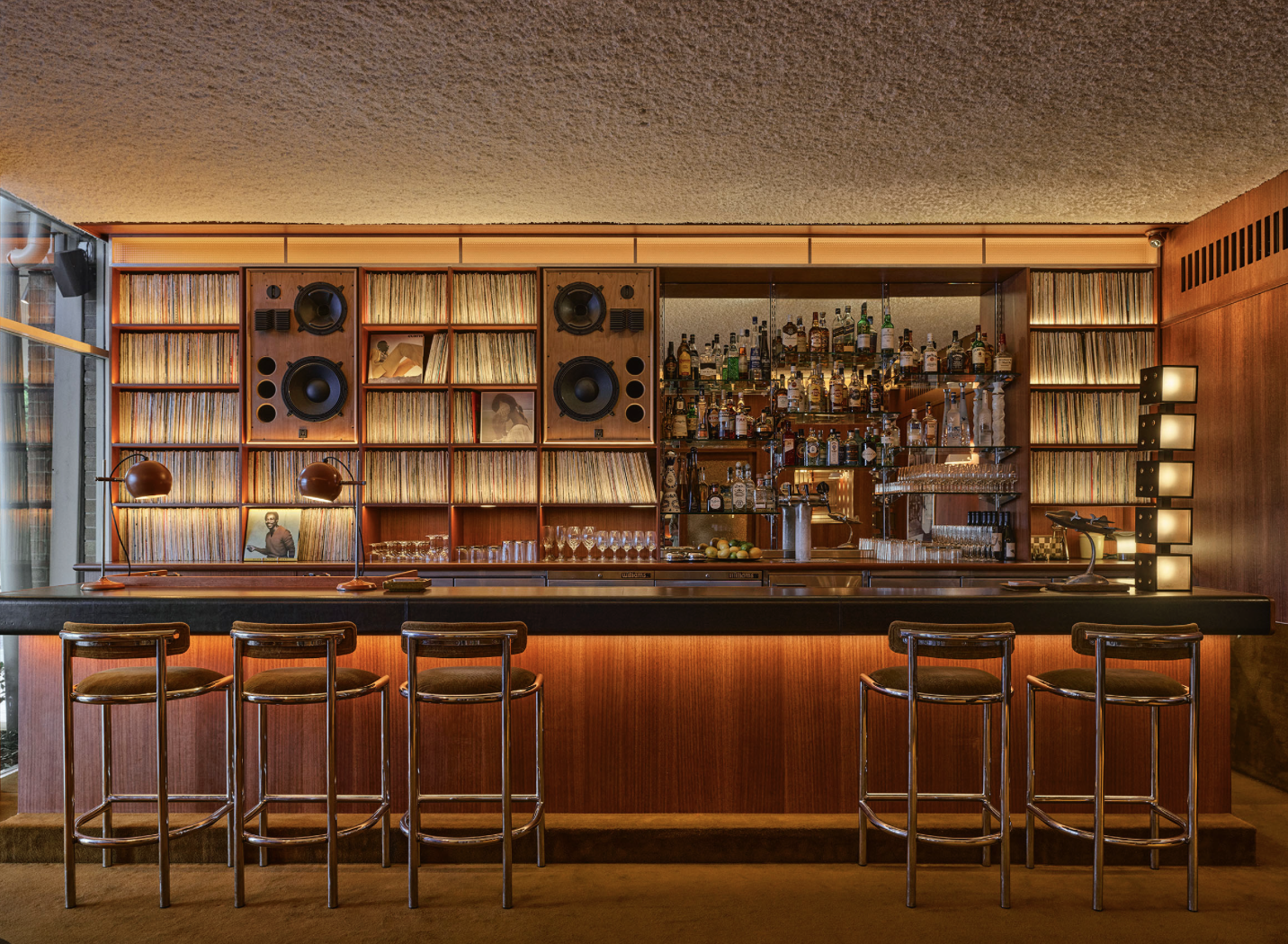
Club Rose Bay, Sydney Australia

The world’s most exciting restaurants are no longer built around a single dining room — they are designed as layered experiences that unfold across multiple spaces, moods and moments.

From drinks in garden courtyards to vinyl listening rooms and immersive first-course experiences, experiential dining has become one of the defining shifts shaping luxury hospitality, restaurant culture and food and drink storytelling globally.

For hospitality PR and restaurant PR teams, this evolution is changing the way venues are positioned, photographed and shared. Diners today are looking for more than exceptional food — they want atmosphere, movement and experiences worth documenting.

The rise of “camera roll dining” is a direct result of this shift. Guests are increasingly capturing not just dishes, but the feeling of a venue: the lighting, soundtrack, outdoor cocktails, tableside moments and transitions between spaces that make a night feel immersive and transportive.

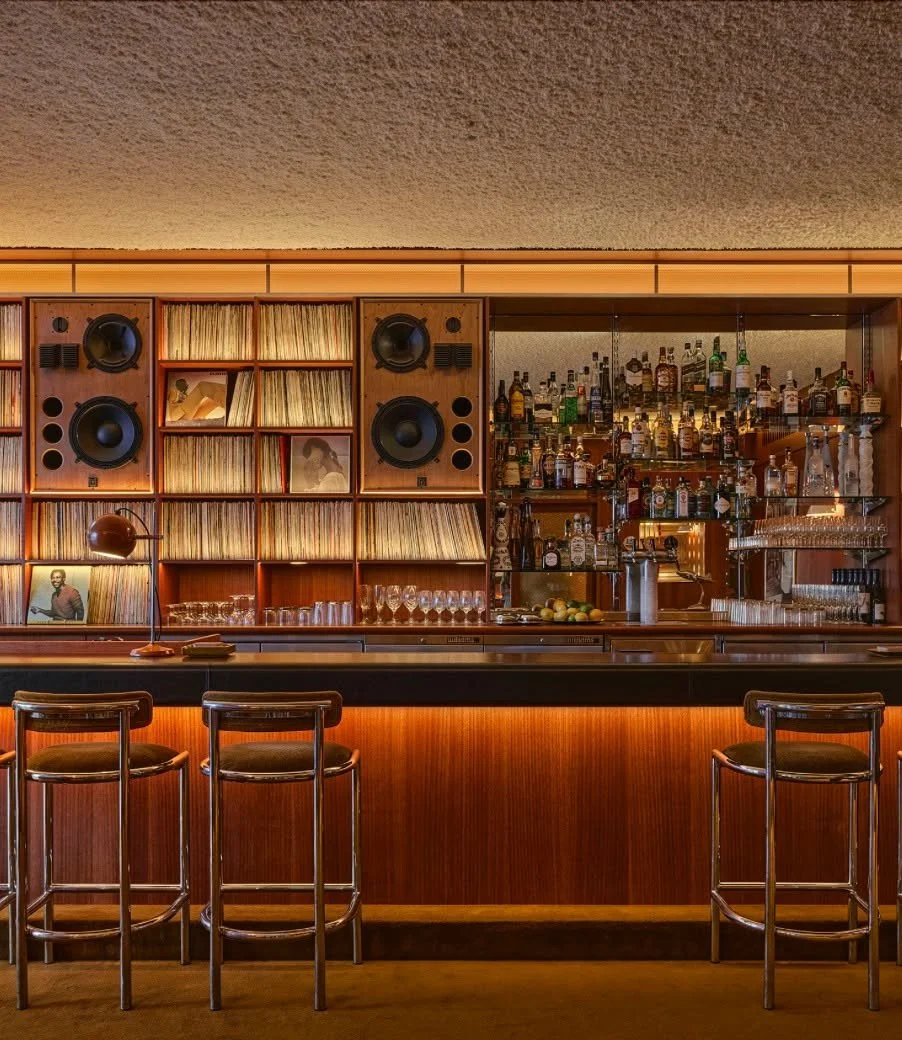
In Sydney, Club Rose Bay reflects this growing appetite for multi-dimensional hospitality experiences. Guests can move between waterfront dining, pickleball courts and the venue’s vinyl listening room, creating a social experience that extends well beyond the table itself. It’s a clear example of how modern hospitality venues are blending food and drink with lifestyle, entertainment and community.

In Hobart, Agrarian Kitchen has elevated destination dining through deeply experiential storytelling. Guests walk through edible gardens before arriving at the greenhouse, where the first course is served surrounded by the very produce used throughout the menu. The experience creates a powerful connection between landscape, seasonality and dining — something increasingly valuable in modern restaurant culture.

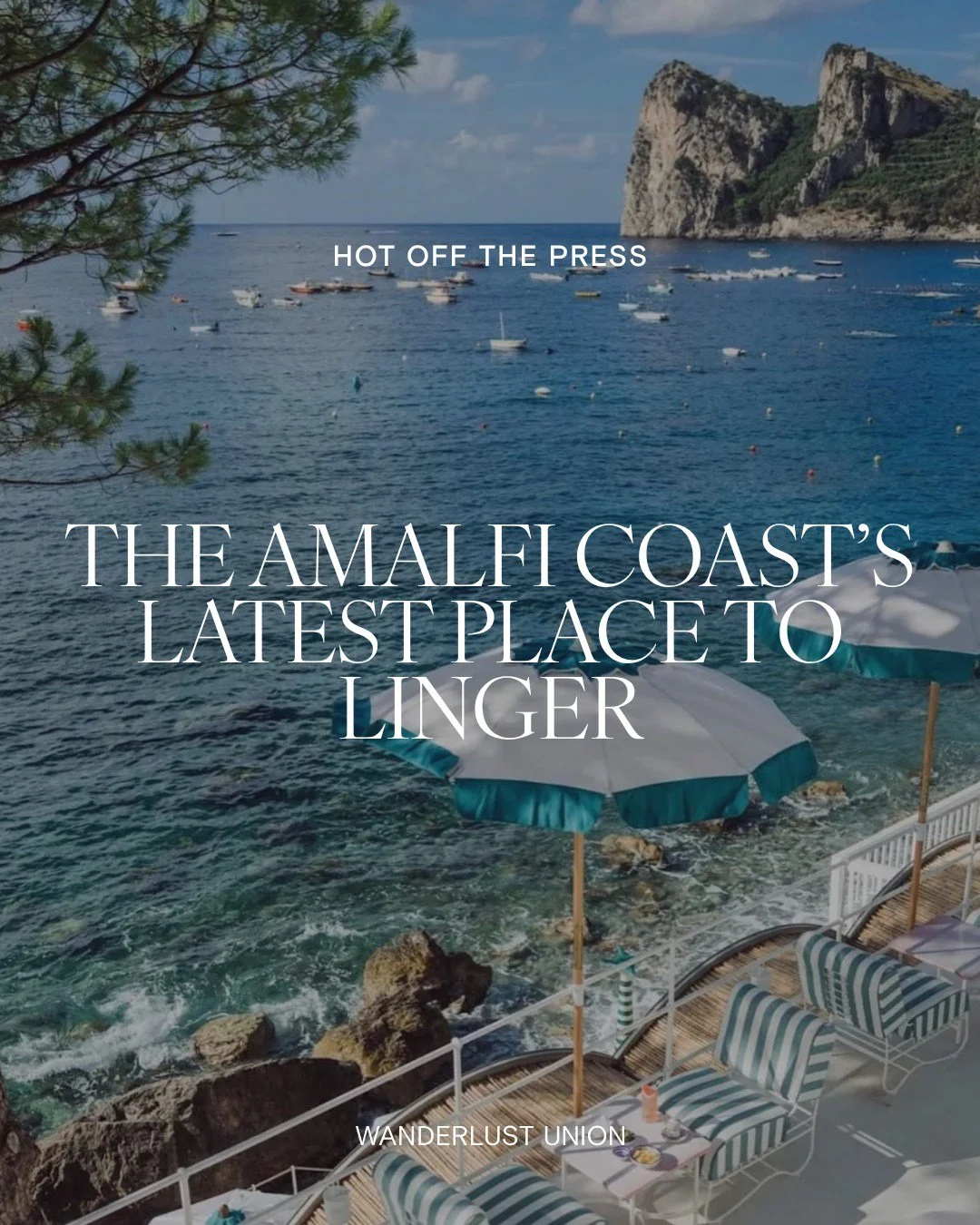
Globally, Hotel Il Pellicano in Tuscany remains one of the strongest examples of experiential luxury hospitality. From aperitivo by the water to elegant outdoor dining, the property has become synonymous with immersive food and drink experiences that feel cinematic, relaxed and aspirational.

For modern hospitality PR, the most successful venues are no longer simply serving meals — they are creating worlds people want to step into, dine in, photograph and remember.

Wanderlust Writes: Culinary Travel Is the New Luxury Currency

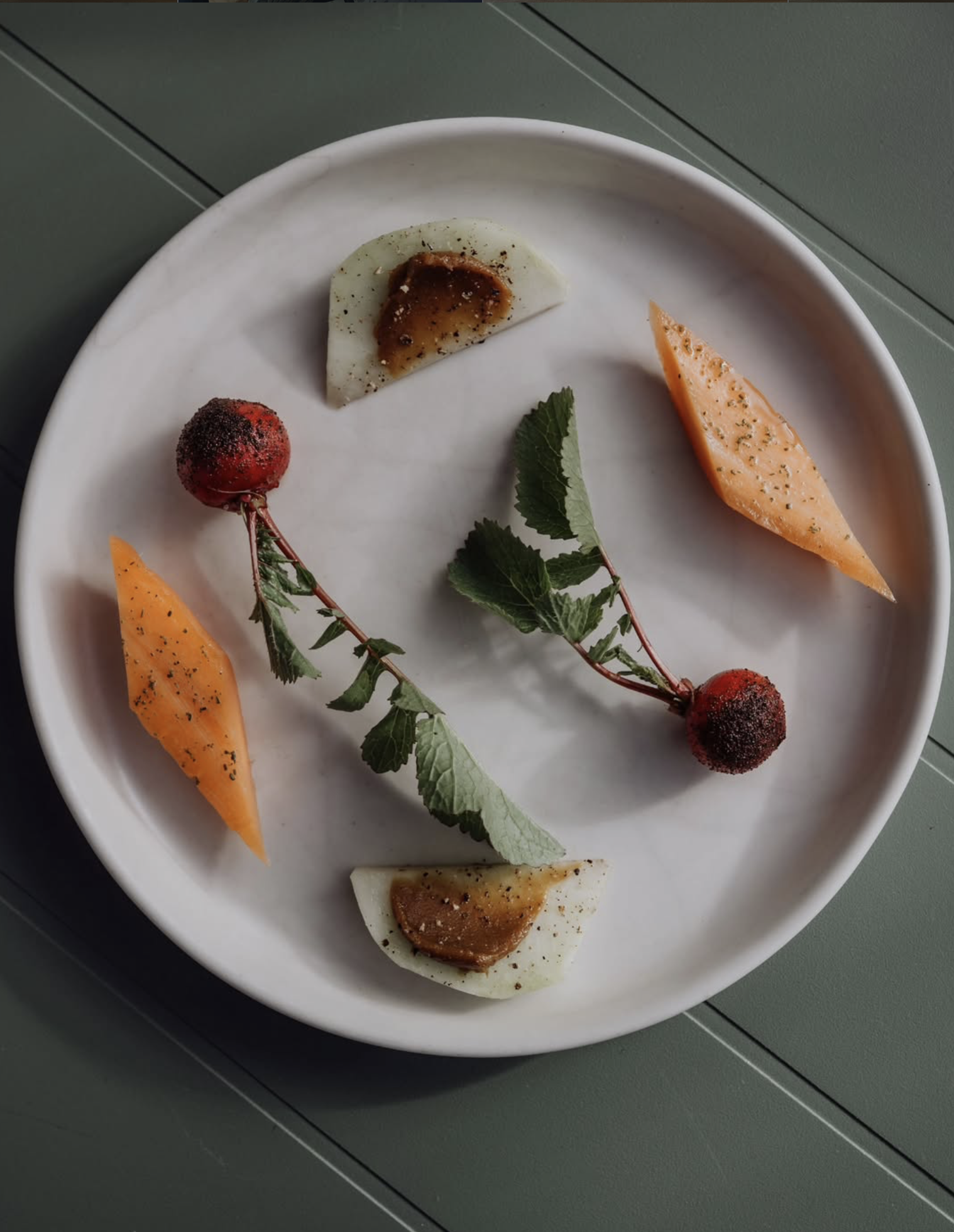
Cherry Belle radish + Jerada carrot with kunzea + Kohlrabi with delicata miso served in their glasshouse garden. It’s a beautiful way to begin your restaurant experience at Agrarian Kitchen. Image courtesy of @love_annacritchley.

At Wanderlust Union, we are continuing to see a decisive shift in global travel behaviour. Travelling for food is not new — gastronomic pilgrimages have existed for decades, from Lyon to Tokyo to San Sebastián. What has changed is its status. Culinary travel is no longer niche. It is now a defining element of modern luxury travel.

In 2026, luxury culinary travel is redefining global tourism. Reservations are shaping routes. High-value travellers are choosing destinations based on access to chefs, regional produce and immersive dining experiences. A seat at Central in Lima. An omakase counter in Tokyo. A fire-driven tasting menu at Asador Etxebarri in Spain. These are not simply meals; they are strategic reasons to travel.

Luxury has shifted from visible opulence to informed experience. Today’s affluent traveller is seeking narrative, provenance and precision. They want to understand landscape through flavour. They want chefs who interpret culture through cuisine. They want depth over display. In this environment, destination dining has become a powerful driver of luxury tourism and a central pillar of contemporary travel trends.

Australia is firmly part of this global movement. In Sydney, Saint Peter, led by Josh Niland, continues to attract international gastronomic travellers, with Niland’s scale-to-tail philosophy reframing sustainable luxury on a global stage. Melbourne remains a powerhouse of destination dining, with Attica’s Ben Shewry long regarded as one of the world’s most influential chefs. Across the country, chef-led restaurants are elevating Australia’s produce-driven identity and strengthening its position in luxury food travel Australia.

In Western Australia, Fervor by Paul ‘Yoda’ Iskov connects diners directly to Indigenous ingredients and landscape through immersive, fire-led experiences that merge storytelling with gastronomy. In Tasmania, The Agrarian Kitchen in New Norfolk, led by Rodney Dunn, has helped cement the island as a serious culinary travel destination. Rooted in seasonality, self-sufficiency and hyper-local sourcing, it reflects a broader shift in gastronomic tourism: luxury defined by integrity, not excess.

The insight is clear. Food has become a form of cultural capital. It signals knowledge, access and discernment. Culinary experiences now influence airline routes, regional tourism growth and international media narratives.

For luxury brands and tourism operators, this evolution matters. Through strategic luxury travel PR, food and beverage storytelling and destination positioning, we are continuing to see how culinary experiences shape brand relevance in an increasingly competitive global market.

To understand a destination today is to taste it — its soil, its seasons, its people. Culinary travel may not be new, but its influence within the luxury travel landscape has never been more powerful.

As a leading luxury travel PR agency, Wanderlust Union continues to track how food-led travel is shaping the global tourism economy.