Wellness tourism is now one of the fastest-growing segments of the travel industry, projected to reach $1.4 trillion by 2028. Australia has been ranked the No.1 destination for wellness tourism by the Global Wellness Institute, surpassing New Zealand and Japan. Travellers now seek longevity, mental clarity, emotional reset, and meaningful connection. In 2026, health is the new wealth, and wellbeing has become the ultimate luxury status symbol. For hotels and resorts, wellness is no longer an optional extra — it is central to the guest experience.
At Wanderlust Union, a boutique luxury travel and lifestyle PR agency, we help hotels, retreats, and destination brands translate these wellness trends into guest experiences and captivating stories that resonate with discerning travellers.
1. Longevity & Preventative Wellness
Wellness retreats are evolving from indulgent escapes to performance-focused, health-optimising experiences. Guests are drawn to personalised longevity programs, metabolic health tracking, cryotherapy, and other evidence-based therapies. Resorts such as COMO Shambhala, Bali and Lanserhof Tegernsee, Germany are leading the way, offering high-net-worth travellers measurable health outcomes amidst luxurious surroundings.
2. Nature-Immersive & Rewilding Experiences
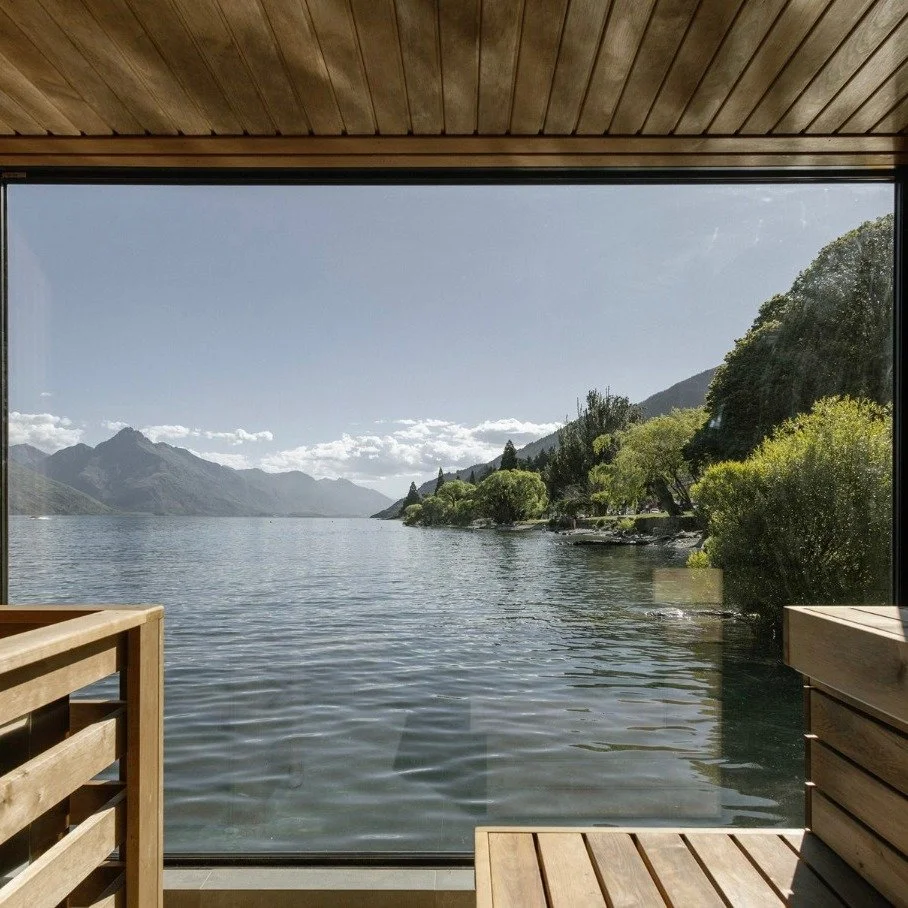
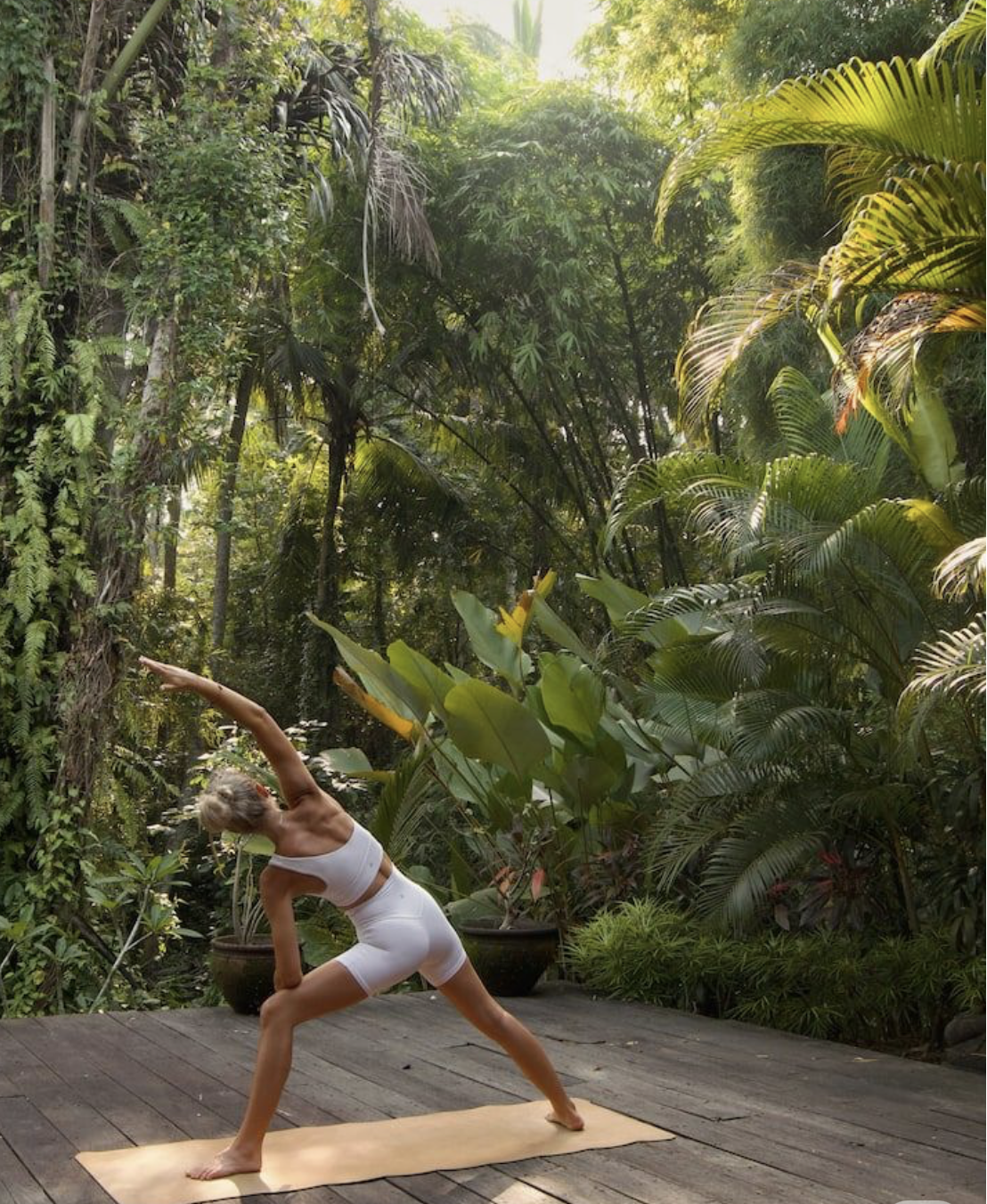
Nature is the star of wellness in 2026. Travellers are seeking forest bathing, rewilding adventures, alpine yoga, lake floating, star bathing, and full moon ceremonies, reconnecting with the elements and themselves. Resorts like Six Senses Zighy Bay, Oman and Aman Kyoto, Japan blend eco-therapy with immersive wellness experiences, proving that sustainability and mindful design are now integral to luxury travel.
3. Mental & Emotional Wellbeing
Mental wellness is taking centre stage. Contemporary wellness offerings prioritise mindfulness, breathwork, dark retreats, somatic therapy, and creative wellness—including art, music, and movement—to help guests reset emotionally and mentally. Resorts such as Canyon Ranch, Tucson are setting the benchmark for transformative mental wellness experiences.
4. Authentic, Culturally Rooted Programs
Travellers crave authentic local experiences. Resorts collaborating with indigenous healers, local artisans, and regional traditions — like Four Seasons Tented Camp Golden Triangle, Thailand — provide meaningful, culturally immersive experiences. These practices enrich wellness programming while reinforcing a destination’s identity and story.
5. Wellness Beyond the Stay
Leading hotels and retreats extend wellness beyond the physical stay. Through digital programs, take-home rituals, and post-visit engagement, they foster long-term loyalty and lifestyle integration, ensuring wellness becomes a lasting habit.
Wellness isn’t just a trend — it is the language of modern luxury travel, and one of the fastest-growing sectors globally, with Australia leading the world as the top wellness destination.
For strategic luxury travel PR, lifestyle PR, wellness PR, and brand positioning across hotels, resorts, and destinations, connect with Wanderlust Union — a boutique agency specialising in luxury travel and lifestyle brands in Australia and internationally.